The usual first automation project is a chatbot on the website. It is also the one most likely to be switched off within a quarter, because it was aimed at the most visible problem rather than the most expensive one.
There is a better starting point, and finding it takes about an hour with your own conversation history.
Three things worth removing
Almost every support cost falls into one of three categories, and they are not equally worth automating.
Waiting. The customer has asked something answerable and nothing is happening yet. This is the most expensive category, because it degrades every other metric you have — satisfaction, repeat contact, and the chance they simply leave.
Repeat work. Your team typing something close to the same answer for the fifth time today. Cheap per instance, enormous in aggregate, and the easiest thing to fix well.
Lost context. Someone re-reading a thread, hunting for an order number, or asking the customer to repeat themselves. Invisible in dashboards, and one of the largest real drains on a small team’s day.
Rank your automation ideas by which of these they remove. Anything that removes none of them — however impressive the demo — goes to the bottom of the list.
The hour that decides your roadmap
Export your last 300 conversations and tag each with the customer’s actual intent. Not the channel, not the category your tool assigned — what the person wanted.
You will get a distribution that surprises almost everyone: somewhere between six and ten intents typically cover 70–80% of volume. Those are your candidates. Everything in the long tail is a distraction for now.
Then, for each of the top intents, note two things: roughly how long it takes to handle, and whether the answer is the same every time or depends on account-specific data.
That two-by-two — frequency against variability — is your priority order. High frequency and low variability is where automation pays immediately and safely.
The first four, in order
1. Answer the question you answer most. Take the single highest-frequency, lowest-variability intent and automate only that. One intent, done well, is worth more than ten done approximately. It also gives you an honest read on whether your knowledge base is good enough to build on.
2. Set expectations automatically. Outside working hours, or when the queue is deep, an immediate honest message — when someone will reply, and what to include in the meantime — removes waiting without answering anything. It is the highest return per hour of work in the entire list, and it cannot be wrong.
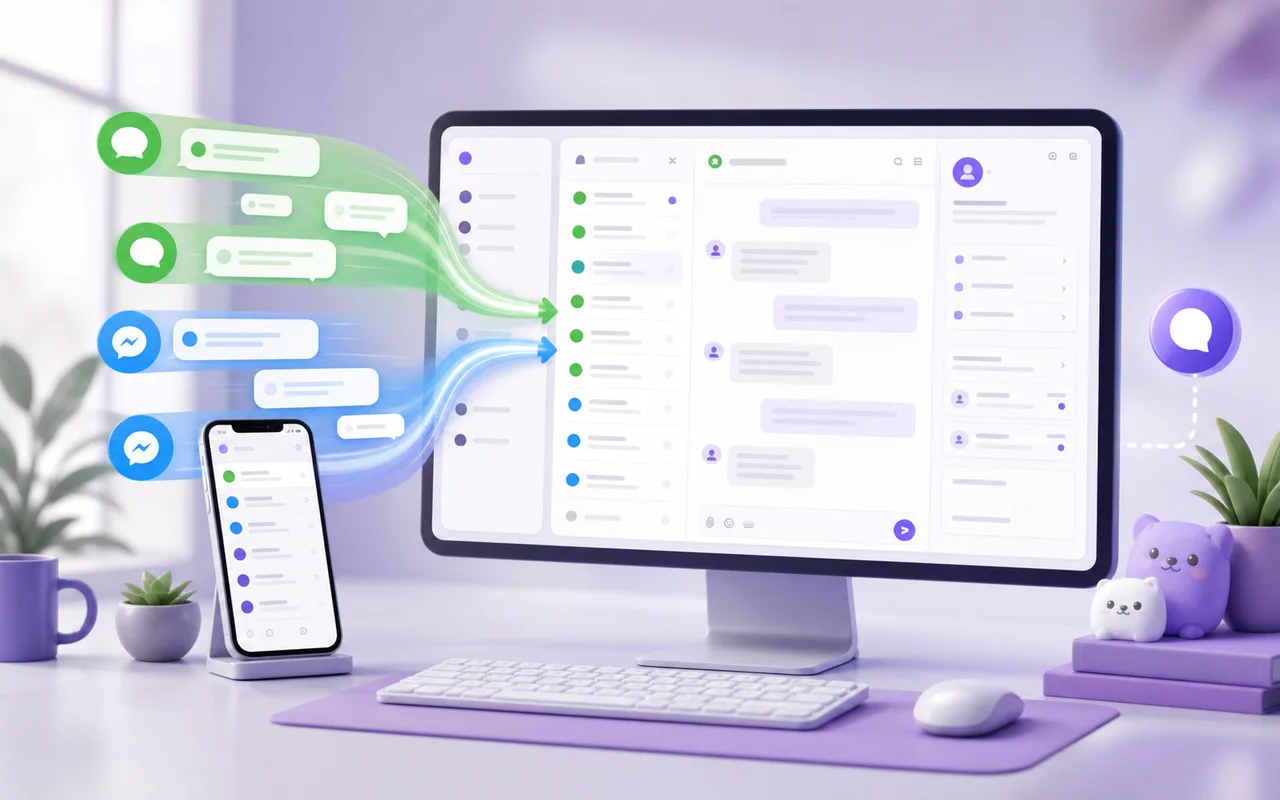
3. Put context where the reply happens. Order status, past conversations, plan, open tickets — visible next to the conversation without anyone going to look for it. This does not replace a human, it removes the twelve seconds of hunting that happens on every single reply.
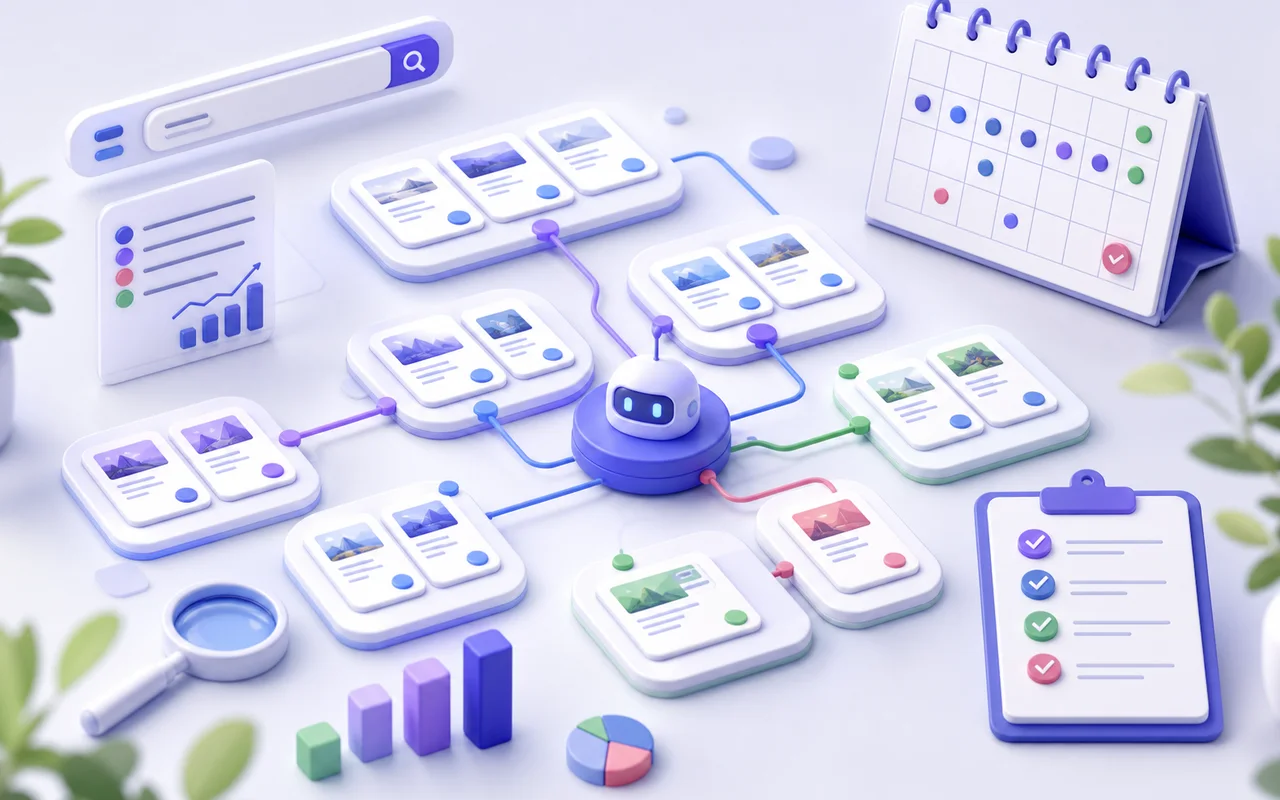
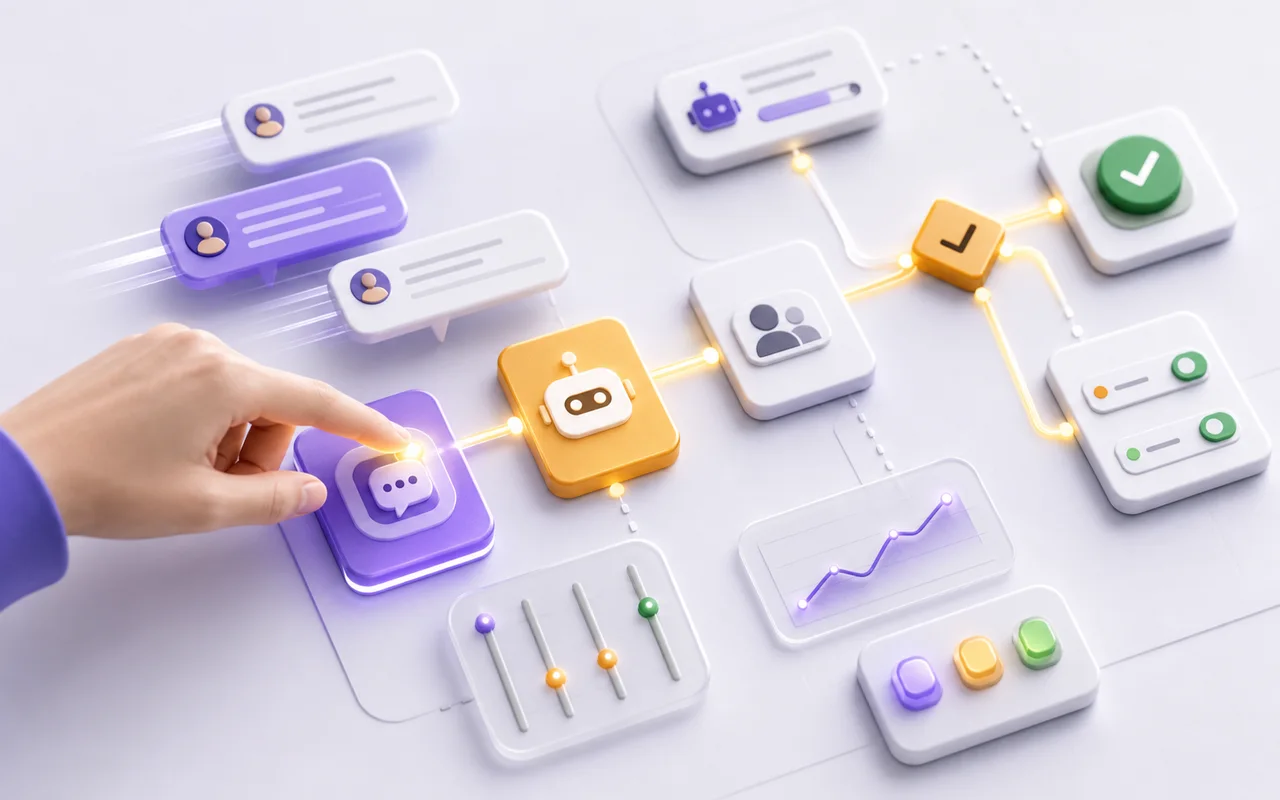
4. Route on intent. Once you can reliably detect intent, send billing questions to whoever handles billing, in the language the customer wrote in. Only worth doing after the first three, and only if your team is big enough that routing means something.
Note what is missing from that list: a general-purpose bot that tries to answer anything. That is a later step, and it works far better on top of these four than instead of them.
Knowing whether it worked
Pick the measurement before you build, and make it about the customer, not the automation.
The three that matter: median first response time (does the customer wait less?), repeat contact within 48 hours (did the answer actually resolve it?), and the share of conversations your team never has to touch — which is only a good number when repeat contact stays flat.
That last pairing is the important one. An automation that raises deflection and raises repeat contact has not saved you anything. It has moved the work to next week and added a frustrated customer.
When to stop
There is a point where each new automation costs more to maintain than the time it saves. You will recognise it: rules start contradicting each other, edge cases outnumber the standard path, and someone has to remember which flow is authoritative.
At that point, stop adding and start pruning. The healthiest automation setups in small teams are surprisingly small — a handful of high-traffic paths that work reliably, and a fast, well-briefed handoff for everything else.
The goal was never to automate everything. It was to stop customers waiting for things that never needed a person in the first place.